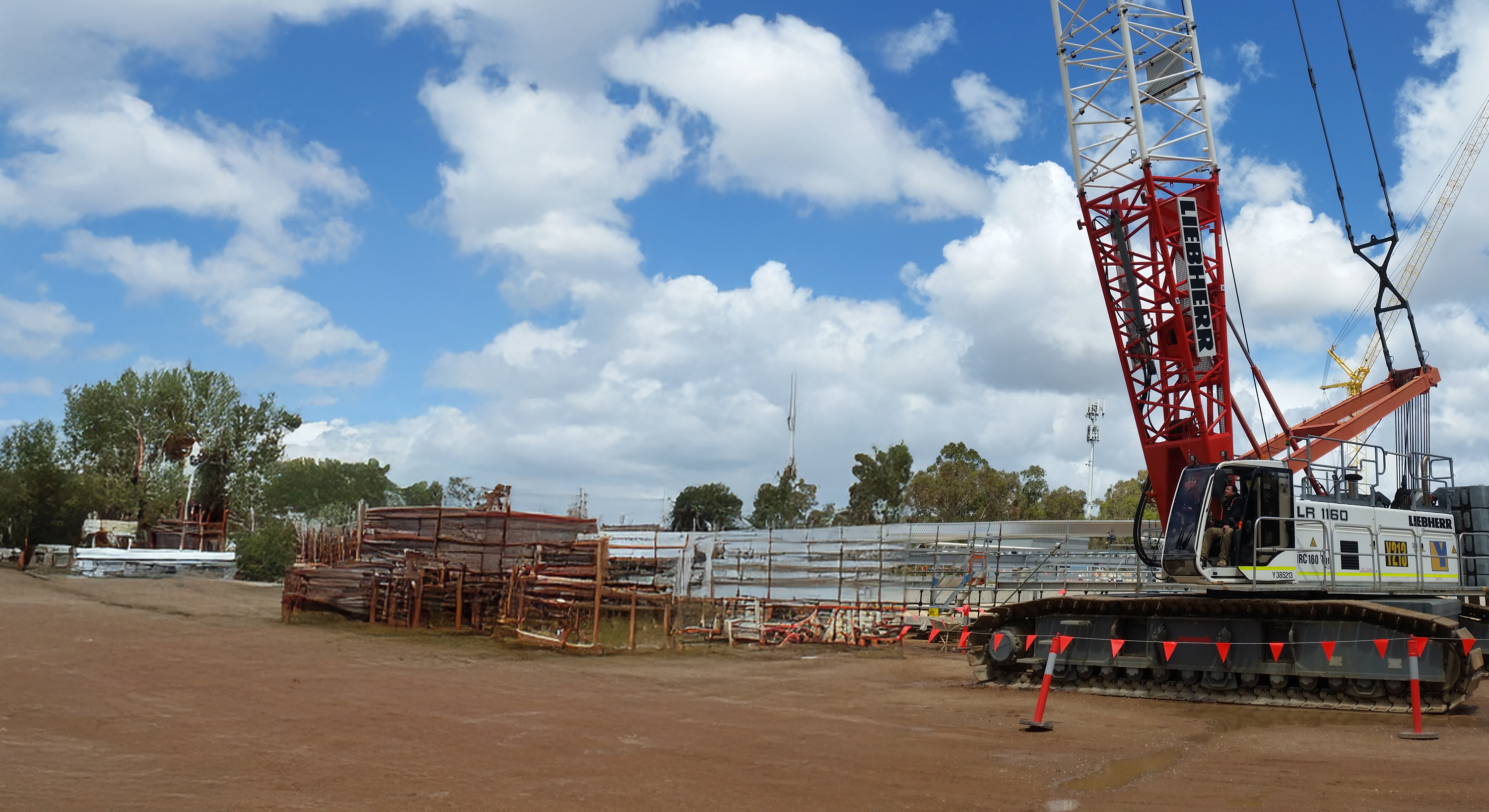

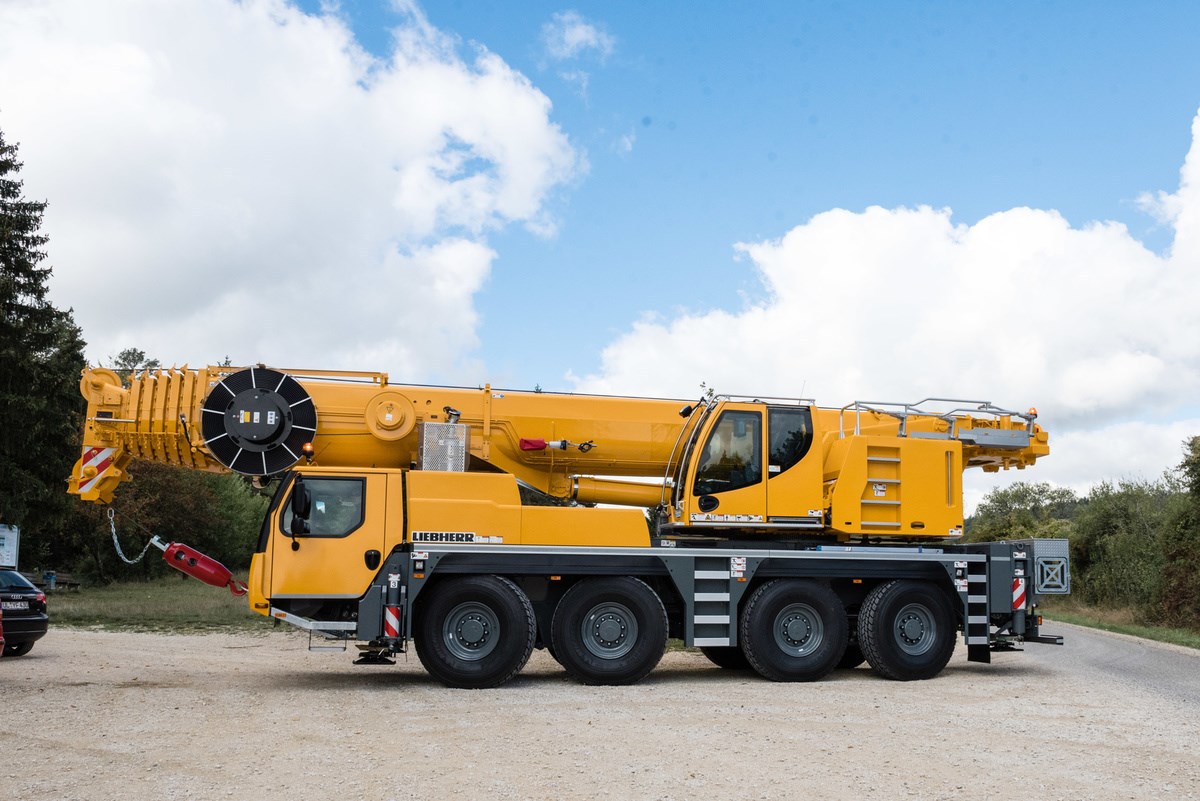
This course provides the necessary skills and knowledge to to safely operate a slewing mobile crane with a Maximum Rated Capacity (MRC) under 100 tonnes. It is suited to anyone requiring a high-risk work licence (HRWL) in the class, C1 who are already working in construction, mining, transport, or other industries. This course is Nationally Recognised and is licenced as per the National Standard for Licensing Persons Performing High Risk Work (HRWL). The HRWL is assessed by a WorkSafe WA Registered Assessor.
For licensing purposes, a slewing mobile crane means a mobile crane incorporating a boom or jib that can be slewed, but does not include a front-end loader, backhoe, excavator or other earth moving equipment when configured for crane operation.
This course is designed for those who hold a current HRWL in dogging and a current HRWL to operate a Slewing Mobile crane (up to 60 tonnes), and current industry experience operating a slewing mobile crane of between 20 tonnes and up to 60 tonnes competently for at least 2 years. Candidates must be 18 years or over. 2 forms of ID are required including one form of Photo ID. Crane operation is high risk and requires hand eye coordination, communication skills and good vision. A candidate must have sufficient knowledge of the English language, both written and oral, to safely do work of that class (as per WHS Regulations 2022 r114).
Anyone who is required to operate a mobile slewing crane with a capacity under 100 tonnes.
Upon successful completion trainees will be issued with a
A Statement of Attainment: TLILIC0014 - Licence to operate a slewing mobile crane (up to 100 Tonnes)^
60 day interim High Risk Licence in the Class: C1
Nationally Recognised High Risk Work Licence (issued by your State or Territory Safety Authority)
^A Unique Student Identifier (USI) is required before ATC can issue the candidate with a Statement of Attainment.
USI’s are available from www.usi.gov.au.”
.png)
ATC Training Services acknowledges the Aboriginal and Torres Strait Islander peoples as the traditional custodians of the land on which we live and work.
We pay our respects to their Elders past, present, and emerging, and recognise their continued connection to the waters of this country.
We affirm that this land always was, and always will be, Aboriginal land.